
Rehab insurance is a type of health insurance that covers the cost of addiction treatment, including inpatient and outpatient rehab programs, counseling sessions, and medication-assisted treatment. Most insurance providers offer some form of rehab insurance, Alcoholics Anonymous either as part of their standard coverage or as an add-on policy. People in recovery must receive therapies that help them address the physical, behavioral, and emotional aspects of substance abuse. Ultimately, experimenting with various techniques can lead to discovering the most effective practice for enhancing recovery and fostering a lasting sense of well-being.
Art Therapy: A Pathway to Emotional Healing and Growth
No one should assume the information provided on Addiction Resource as authoritative and should always defer to the advice and care provided by a medical doctor. Teen or adolescent rehab programs focus on the specific needs of young individuals struggling with substance use. These programs provide age-appropriate therapy, family counseling, and academic support to help teens recover while continuing their education. The National Center for Biotechnology Information (NCBI) reports that early intervention in adolescence significantly reduces the risk of lifelong addiction. Art therapy serves as a safe haven for individuals battling addiction, effectively assisting them in managing emotions and enhancing emotional resilience. Through creative expression, participants often identify self-destructive behaviors depicted in their art, providing insights that spark personal growth.
Residential Treatment Programs in Ohio: What You Need to Know
Notice any triggers or cravings that arise and acknowledge them without reacting impulsively. By practicing mindfulness, you can cultivate self-awareness and learn to respond thoughtfully rather than reactively. A body scan is one of the most basic and effective mindfulness exercises you can use to identify the current state of your mind and body. Well, it’s not really a drug; it’s a neurotransmitter released in the brain.
Art Therapy
Yoga and movement therapy can reduce stress and improve physical and mental health. Members practice basic yoga poses and addiction meditation kundalini stretches to help connect mind and body, fostering relaxation and enhancing mood. We work closely with individuals to identify their unique triggers and develop healthier coping strategies that support long-term recovery.
Detox
- Yes, there is substantial scientific evidence supporting the role of meditation in addressing emotional dysregulation and preventing relapse.
- Marking recovery anniversaries acknowledges members’ hard work and dedication.
- Addiction Resource is an educational platform for sharing and disseminating information about addiction and substance abuse recovery centers.
- Addiction Resource does not offer medical diagnosis, treatment, or advice.
Engaging in creative activities like painting or sculpting can channel one’s focus, acting as a meditative practice that reduces anxiety and promotes mindfulness. This focused creativity allows individuals to explore their inner selves without judgment, fostering a peaceful state that encourages emotional healing and relaxation. Art therapy serves as a transformative journey toward self-discovery and enhanced self-awareness. By providing a non-judgmental space, individuals can freely express their thoughts and feelings through various creative forms. This creative process enables participants to explore complex emotions, allowing for a deeper understanding of their emotional landscapes.

Regular meditation, paired with expert care, lays a solid groundwork for healing. This technique uses personalized mantras to help you reach a calm, focused state of mind. It typically involves 20-minute sessions guided by certified instructors to ensure the mantras are used effectively. It’s especially useful for reducing stress and finding inner calm – key elements for staying on track in recovery. Meditation’s true strength lies in its lasting impact on the brain’s ability to handle challenges.
- Spirituality can provide a sense of purpose and inner peace in recovery for those interested.
- It is the initial step in overcoming addiction and paving the way for a healthier, substance-free life.
- Regular physical activity not only improves overall health but also releases endorphins, the body’s natural mood lifters.
- Breath awareness meditation has been found to reduce opioid cravings and withdrawal symptoms.
- It typically involves 20-minute sessions guided by certified instructors to ensure the mantras are used effectively.
Medical Reviewer

The benefits of meditation therapy include enhanced parasympathetic nervous system regulation, improved emotional resilience, and strengthened cognitive functions. Through regular practice, individuals experience reduced stress markers, better sleep patterns, and increased self-awareness. Meditation supports addiction recovery by promoting neurochemical balance, fostering mindful awareness, and developing healthy coping mechanisms. These comprehensive benefits span across physiological, psychological, and emotional dimensions, creating a robust foundation for sustained recovery and overall wellness. Explore the detailed breakdown below to understand how meditation therapy can support your recovery journey.
Creating stress balls offers a hands-on way for members to make their own calming tools. Filling balloons with sand or rice, members can carry these stress balls as reminders of their ability to manage anxiety and stress without relying on substances. Role-playing allows members to practice responses to difficult situations, such as social events where substances may be present. This activity builds confidence in saying no and equips members with strategies to handle real-life challenges. Creating positive affirmations helps members reinforce self-worth and stay motivated.
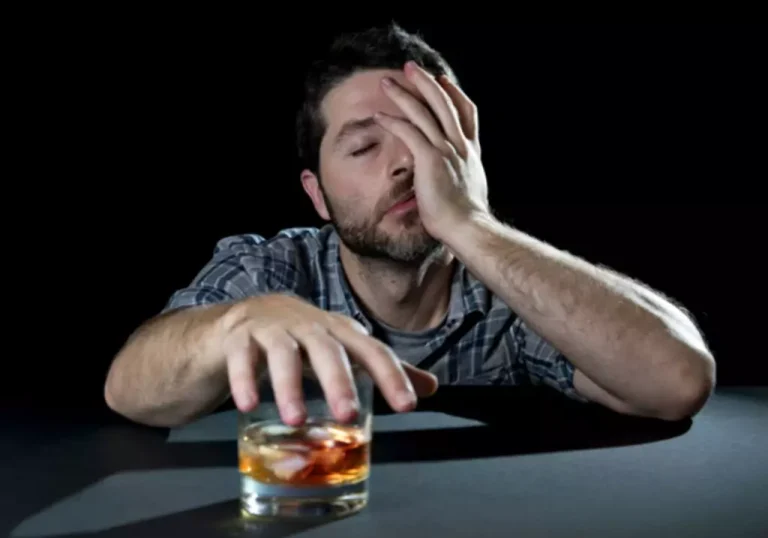
Managing Intrusive Thoughts and Withdrawal Symptoms
Remaining present and engaged allows individuals to manage cravings and triggers more effectively. Techniques such as mindful breathing and urge surfing empower individuals to acknowledge discomfort while practicing healthier coping strategies. This non-judgmental observation of thoughts dramatically reduces the likelihood of impulsive reactions, which often lead to relapse.
A growing body of research supports the effectiveness of mindfulness-based interventions (MBIs) in alleviating symptoms linked to anxiety, depression, and stress. These practices foster overall emotional well-being by increasing self-awareness and reducing rumination, which is critical for managing difficult emotions. Addiction Resource is an educational platform for sharing and disseminating information about addiction and substance abuse recovery centers. Addiction Resource is not a healthcare provider, nor does it claim to offer sound medical advice to anyone. Addiction Resource does not favor or support any specific recovery center, nor do we claim to ensure the quality, validity, or effectiveness of any particular treatment center.